
San Dimas still feels a little western. Horse trails wind through town, the historic downtown along Bonita Avenue keeps its small-town look, and the foothills of the San Gabriel Mountains rise just to the north while Bonelli Regional Park and Puddingstone Reservoir open up to the south. Homes here range from equestrian parcels to hillside view lots to classic suburban tracts, and each calls for a slightly different kind of room. California Sunroom Price serves San Dimas and the surrounding areas, including La Verne, Glendora, Covina and Pomona.
What kind of San Dimas lot do you have?
The type of property you own shapes the room, and the room shapes the price. Here is how the three most common San Dimas settings play out.
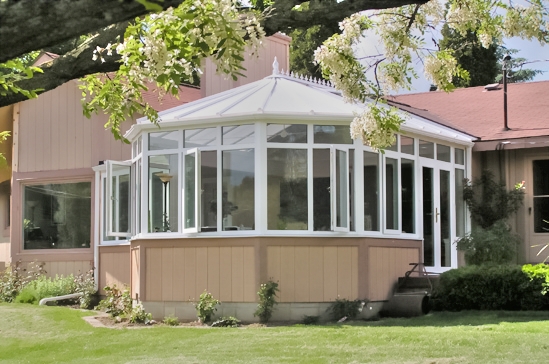

Horse and ranch-style properties
Several parts of town allow horses, and many of these homes sit on larger, flatter parcels with barns, corrals and riding areas. Families often want a room that overlooks the property, or a sturdy cover near the tack area for shade. Larger lots give more placement choices, but a new slab and longer runs to the house can add site work.
Foothill and view lots
Homes on the north side of town and on hillside streets enjoy views of the mountains or across the valley. They also face stronger wind events coming down the canyons. Glass rooms that frame the view are popular, and framing and anchoring get extra attention. Our strength page explains how the aluminum frames are built.
Suburban tract homes
The rest of San Dimas is made up of single-family homes on regular lots, many built from the 1960s through the 1980s. They usually have a rear slab and a straightforward layout, which keeps installation simple.
How much does a sunroom cost in San Dimas? What drives the price
Every room is manufactured in California, and the mix of style, glass, roof, doors, windows and color runs to hundreds of combinations. These factors carry the most weight in a San Dimas quote.
Room type
From lightest to most complete: pergolas and patio covers, screen rooms, glass enclosures, insulated patio rooms and glass sunrooms.
Size and roof
Width, depth and ceiling height add framing, glass and roofing. An insulated roof is the practical choice for inland summers. A cathedral roof adds height, and a glass solarium roof brings in the sky.
Glass
Energy-efficient glass options, including Low-E glass, cost more than basic glass but make a clear difference in summer comfort and glare. See our energy efficiency and tests page.
Slab and grade
A level slab in sound condition can often be reused for a patio room. Sloped view lots, pool decks and properties without a patio may need new concrete or extra site preparation.
Wind exposure
Open foothill lots and hilltop homes see stronger gusts. The estimator notes your exposure so the room is designed and anchored accordingly.
Doors, windows and finish
Door style, operable windows, frame colors and matching the stucco or siding round out the total.
How does the local climate affect what you should buy?
San Dimas sits along the eastern San Gabriel Valley, where summers are hot and dry, winters are mild with cool nights and fall brings the occasional strong wind.
Plan for heat
A fully insulated roof is the single best feature for summer comfort. On a west-facing patio, add energy-efficient glass.
Plan for wind
Wind events can scatter patio furniture and blow dust under an open cover. A closed room with solid framing keeps the space usable.
Plan for cool evenings
Nights cool off quickly near the foothills. A closed room holds warmth after the sun sets, so the space gets used year-round.
Sunroom, patio room or enclosure: which fits your San Dimas home and budget?
Insulated patio room
A patio room is the most common choice. Its insulated roof handles summer heat, it can often sit on an existing slab and it can match the house. It works as a den, an office or a family gathering space.
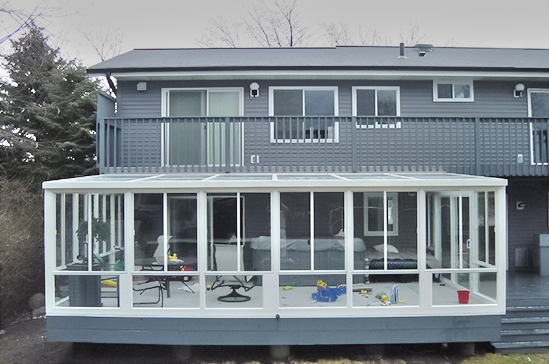
Glass sunroom
A studio, cathedral or solarium sunroom suits view lots and homeowners who want lots of light. With the right roof and glass, it stays comfortable.
Enclosure or screen room
Enclosing a solid patio cover with glass or screens creates a sheltered space for evenings without a full addition.
Patio cover or pergola
Great for shade over a pool deck, an outdoor kitchen or a spot near the barn where you want shelter but not walls.
How do San Dimas families use their new rooms?
A place to cool down after a ride
On equestrian properties, a patio room near the back door gives riders a comfortable place to rest, eat and clean up without tracking dust through the house.
A view room
On hillside lots, a glass room becomes the spot to watch weather roll over the mountains or the lights come on across the valley.
A family room off the kitchen
In tract homes, the most common project is an insulated room right off the kitchen, where everyone ends up anyway. It adds space for meals, homework and holidays.
A lake-day base
For families who spend weekends at Bonelli Park and Puddingstone, a screened or enclosed patio is a comfortable place to unwind when they get home.
San Dimas neighborhoods and lot types
Via Verde
A hillside area near the golf course with larger homes and views. Grade, wind exposure and matching the architecture come up often.
Streets near downtown and Bonita Avenue
Older homes with established yards and sometimes older slabs. Access and the condition of the patio are the first things reviewed.
Equestrian neighborhoods
Larger lots with horse facilities. Placement options are generous, and site work is the main variable.
Homes near Bonelli Park
Neighborhoods on the south side near the regional park often have views of open space. Rooms that frame that view are a common request.
Master-planned tracts
Newer or mid-era tracts with regular lots and existing slabs. Association approval may be needed in some communities.
Do you need a permit or HOA approval?
A room addition in San Dimas may require a permit from the City of San Dimas, and some covers and enclosures may as well. Homes in communities with an association may also need approval for exterior changes, and equestrian properties may have additional placement considerations. The estimator can go over what is typically involved.
What happens at the free in-home estimate?
The estimate costs nothing and commits you to nothing. They are offered 7 days a week from 9am to 9pm, and a visit usually takes around 15 to 40 minutes. The estimator walks the property with you, checks the slab and exposure, and goes over styles, glass, roofs, doors and colors. You get estimates, brochures and design layouts, and you can ask every question you have.
Good questions to ask
- Which room type fits the way I will use the space?
- Can my existing slab be reused?
- How does my lot’s wind exposure affect the design?
- What glass works best for my orientation?
How can you save with financing and current specials?
Special financing programs can spread the cost into manageable payments; learn more on our financing page. Current specials, offered for a limited time, take a percentage off materials and rooms and add free factory room upgrades.
Other ways to manage cost include reusing a sound slab, choosing a simpler roof style and focusing upgrades where they matter most: the roof and glass. Installation, done by preferred contractors, is measured in days rather than weeks. Every room carries a transferable lifetime factory warranty that transfers to the next owner if the home is sold.
Which option fits your San Dimas home?
For a view lot, a glass sunroom with an insulated roof and good glass is often the favorite. For a family room or office, choose an insulated patio room. For a horse property or pool deck, a cover or pergola may be all you need, and an enclosure is a good middle ground.
Get your San Dimas price
The easiest way to know the cost is a short visit. Schedule a free in-home estimate, explore financing options, or see how prices compare countywide on our Los Angeles County sunroom prices page.