
When you invest in a sunroom or patio room, you want it to feel like a real part of your home for as long as you live there, and for whoever owns the house next. Strength and durability are what make that possible. They also play a quiet but important role in price and value: a room that holds up well costs less to live with over time. This page explains what makes a room strong, which design choices affect durability, and how to think about strength when you compare options.
What gives a sunroom or patio room its strength?
A room’s strength comes from how its main parts work together.
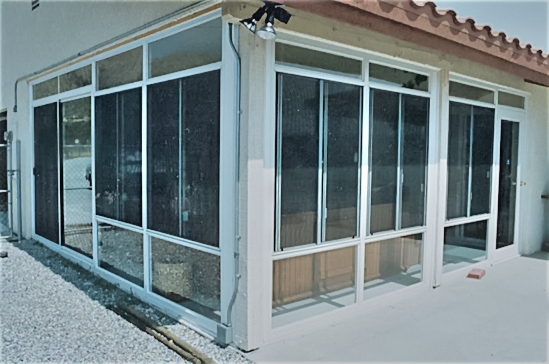
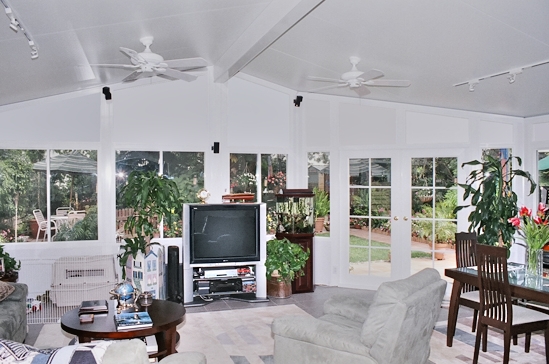
Aluminum framing
Sunrooms are built as glass and aluminum room additions. Aluminum is lightweight, holds its shape and does not rot or attract termites the way wood can. That makes it well suited to Southern California’s mix of coastal moisture and inland sun.
The roof system
The roof carries the most exposure to sun and weather. Patio rooms use fully insulated roofs, while sunrooms come in studio, cathedral, solarium and conservatory-style designs with different roof options. The way the roof attaches to your home is a critical part of a solid installation.
Glass
Glass is both a design feature and a structural element of the walls. Choices such as Low-E and other energy-efficient glass affect comfort, while the overall glass package is matched to the room design.
Foundation
A room is only as steady as what it sits on. Patio rooms can often use an existing patio slab when it is sound and sized correctly. If the slab has significant cracks or settling, or the room extends beyond it, foundation work becomes part of the plan.
Installation
Preferred contractors install the room, typically in days, not weeks. A careful installation, especially at the connection to the house, is essential to how the room performs over the years.
How does Southern California weather test a room?
Southern California is known for mild weather, but it still asks a lot of a structure:
- Sun and heat. Inland areas in Riverside County and the valleys see intense summer sun that can fade and wear finishes over time.
- Wind. Seasonal winds and coastal breezes put steady pressure on walls, roofs and doors.
- Salt air. Homes near the ocean see more corrosive air than inland homes.
- Winter storms. Rain, while infrequent, can be heavy when it comes, which makes roof drainage and sealing important.
- Temperature swings. Desert-edge and inland areas can go from hot afternoons to cool nights, especially in spring and fall.
Choosing the right room for your location, and installing it well, helps it handle these conditions year after year.
Which design choices affect durability?
- Room type. An insulated patio room, a glass sunroom and a screen room each respond differently to sun and wind. Match the product to your exposure.
- Roof style. A simple studio roof has fewer joints than a cathedral or solarium roof, though all can perform well when designed and installed properly.
- Doors and windows. Quality hardware and well-fitted doors and windows reduce wear over time, especially on frequently used doors.
- Finish and color. Finishes and colors are part of your design and should suit your climate, whether you live near the beach or inland.
- Slab condition. Addressing foundation issues before installation protects the room from future movement.
Rooms are manufactured in California in hundreds of combinations of styles, glass, roofs, doors, windows and colors. The customization page shows the range.
How does strength affect price and value?
It is tempting to compare rooms on upfront cost alone, but durability changes the math. Consider:
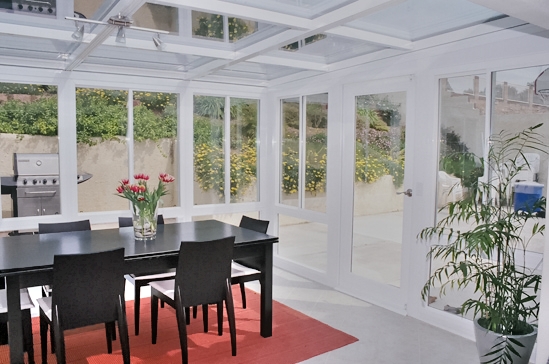
- Maintenance. Aluminum framing avoids many of the upkeep chores associated with wood, such as repainting and rot repair.
- Lifespan of use. A room that stays solid and comfortable gets used more, which is the whole point of the investment.
- Resale. Every room is backed by a transferable lifetime factory warranty, which passes to the next owner and can be a meaningful selling point.
- Fewer surprises. Fixing a slab or roof connection properly at the start costs less than addressing problems later.
In other words, a well-built room is not just stronger; it is often the better value over the years you own it. When two quotes look far apart, ask what is different about the foundation plan, the roof connection and the door and window hardware. Those details rarely show up in photos, but they are where durability is decided.
What questions should you ask about strength at your estimate?
The free in-home estimate is a good time to talk through durability. Useful questions include:
- Can my existing slab be used, or does it need work?
- How will the roof attach to my home, and how will water drain?
- Which glass and finishes make sense for my exposure and distance from the coast?
- What does the transferable lifetime factory warranty cover?
- Might my project need a building permit or HOA approval?
For more on glass and comfort, see the energy efficiency and tests page.
How do you get started?
Free, no-obligation in-home estimates are available seven days a week from 9am to 9pm, and most take 15 to 40 minutes. You will receive estimates, brochures and design layouts and can ask every question you have. Current specials, available for a limited time, include 15% off rooms, 20% off materials and free factory room upgrades, and special financing is available. We serve all of Orange, Riverside, Los Angeles and San Diego counties and the surrounding areas. Request your free estimate to talk through the right room for your home.