
A pergola does something a plain patio slab never can: it gives your yard a sense of place. The rhythm of beams and rafters overhead frames a dining area, marks the edge of a garden or turns a spa into a destination. For many Southern California homeowners it is the most design-forward outdoor project they will take on, and the price reflects that the design is flexible. At California Sunroom Price, we focus on the pieces that move the cost of an aluminum pergola so you can shape one that fits both your yard and your budget.
What is a pergola, and how is it different from other outdoor structures?
A pergola is an open-roof structure made of posts, beams and rafters. Light passes through the rafters and casts moving shadows throughout the day. Unlike a solid patio cover, it does not stop rain, and unlike a sunroom or patio room, it has no walls. Aluminum pergolas offer the look of a classic garden structure without the splitting, rot and repainting that come with wood, which matters a great deal under the Southern California sun.
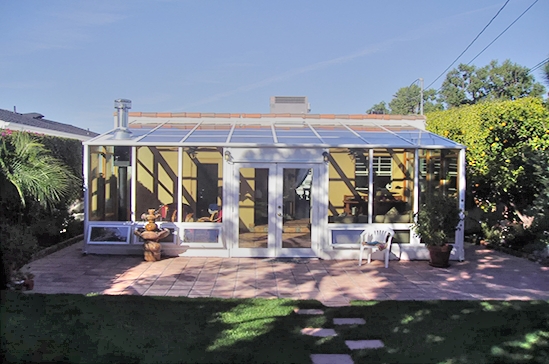
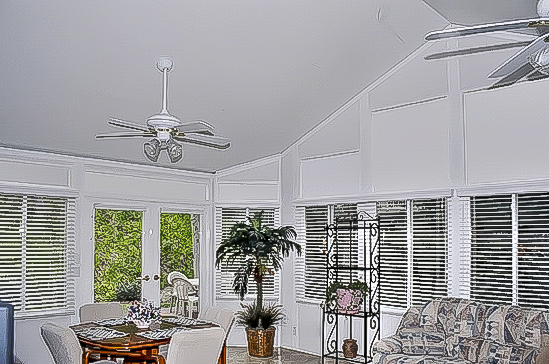
Attached pergolas
An attached pergola connects to the home on one side, typically at the fascia or wall, and extends out over a patio. It reads as an extension of the house and needs posts only on the outer edge.
Free-standing pergolas
A free-standing pergola stands on its own posts and can be placed anywhere: over a spa, beside a pool, at the back of the lot or in a side yard. It creates a separate outdoor room without touching the house.
What factors set the price of a pergola?
Pergolas look simple, but several decisions stack up quickly. Here is where the cost of a pergola really comes from.
Footprint and height
The overall length, width and height determine how many beams and rafters are needed and how long they must be. Wider spans may call for heavier beams or extra posts. A taller pergola can feel grand, but it also changes proportions and may need larger members to look right.
Beam, rafter and post design
The size of the rafters, the spacing between them and the style of the beam ends shape both the appearance and the materials list. Tighter spacing means more rafters and more shade. Decorative end cuts, column wraps and thicker posts add visual weight and a moderate amount of cost. You can see the range of looks on our customization page.
Attachment method
Attached pergolas rely on the home for one side of their support, so they need fewer posts. Free-standing pergolas need a complete post layout. For attached designs, the height and condition of your eave or wall determine how the ledger connects, which the estimator will check during the visit.
Footings and the surface below
Where the posts land matters. On a sound concrete slab, posts may anchor directly. On grass, pavers, decking or a cracked slab, new footings may be needed. Free-standing pergolas out in the yard often require more of this groundwork, which is one reason they can cost more than attached versions of similar size.
Shade and weather add-ons
An open roof is the heart of a pergola, but some homeowners want more shade over part of it. Options such as denser rafter layouts or a solid or glass section over a dining area can be discussed. Glass sections can use Low-E glass to reduce heat while keeping the space bright.
Lighting and electrical
Beam-mounted lights, outlets for a heater or a fan, and wiring for an outdoor kitchen all require electrical work. The farther the pergola is from the house and the panel, the more wiring and trenching may be involved.
Permits, HOA guidelines and access
A permit may be needed depending on your jurisdiction and the size of the pergola. Your HOA may have rules on height, setback or color. Site access also counts: a backyard reachable only through a narrow side gate or across a pool deck can add installation time.
What does a pergola add, and what does it not do?
It helps to be clear about what you are buying. A pergola adds architecture, partial shade, a defined outdoor room and a framework for lights, plants and curtains. It does not keep you dry in a rainstorm or keep the space warm on a winter evening. Homeowners who expect full weather protection from an open pergola sometimes end up disappointed, while those who want atmosphere and style are usually thrilled.
- Best for: defining a space, dining under the stars, framing a view or a spa, supporting climbing plants.
- Good with upgrades: lighting, partial solid or glass sections, color choices matched to your trim.
- Less suited to: year-round sheltered living, home offices, or any use that needs walls and climate control.
How do color, finish and matching your home affect the cost?
A pergola is on display every time you look out the back window, so the finish matters as much as the frame. Aluminum pergolas come in a range of colors, and many homeowners match the fascia or window trim so the structure looks like it was always part of the house. Others pick a contrasting tone to make the pergola a focal point in the garden. Standard colors are usually the most straightforward choice, while specialty finishes or multi-tone designs can add to the materials cost.
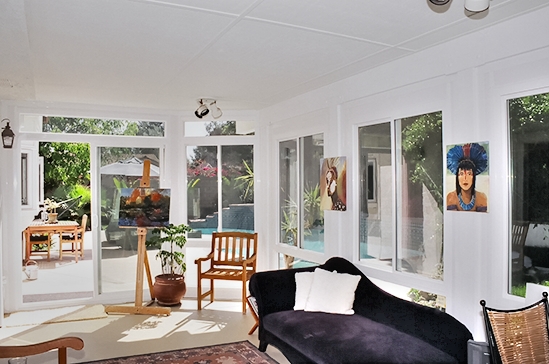
Matching an existing patio cover or room
If you already have a patio cover, sunroom or patio room, a new pergola can be designed to share the same color and trim details. This creates a cohesive backyard where each structure feels intentional. Bring up any existing structures during your estimate so the estimator can coordinate the look.
Details that make a pergola feel custom
Small touches such as shaped beam ends, trim at the post bases, or rafters that overhang a little further past the beams can change the whole character of a pergola. Each detail is a modest line item on its own. Together they are often what separates a pergola that looks like a kit from one that looks designed for the house.
Can a pergola be built in phases?
Many homeowners do not tackle the entire backyard at once. A pergola can be a smart first phase: it defines the space, and later projects can build around it. If you think you might add a patio cover beside it, a screen room nearby or a full room addition off the house, mention it at your estimate. Planning footings, electrical runs and post locations with the future in mind can save rework later and keep each phase within a comfortable budget.
Phasing also lets you live with the space for a season before deciding what comes next. You may find that the pergola gives exactly the right amount of shade, or you may decide that one section deserves a solid roof. Either way, starting with a clear plan makes the next step simpler to price.
How does a pergola compare with a patio cover or a screen room?
Pergola versus patio cover
A patio cover trades some of the pergola’s airy look for solid shade and rain protection. Solid, insulated, lattice and glass-roof covers each hit a different balance. If you plan to spend long summer afternoons outside, a cover may serve you better. Compare the options on our patio cover cost page.
Pergola versus screen room
A screen room encloses a covered area with screen walls so you can enjoy the breeze without insects. It sits a step beyond both the pergola and the cover in terms of usability and cost, because it includes walls and a door. If bugs are what keep you indoors in the evening, look at our screen room cost guide.
How should coast, inland and desert homeowners approach a pergola?
Near the coast
In beach communities, mornings are often cool and gray, so an open pergola lets precious light reach the patio and the rooms behind it. Aluminum’s resistance to moisture and salt air is a practical advantage over wood in these areas.
Inland valleys and foothills
Inland summers are hotter and the sun is stronger. Many inland homeowners choose tighter rafter spacing, orient rafters to block the afternoon sun, or pair the pergola with a solid section over the seating area. Foothill lots may bring slopes and wind to consider when planning posts.
Desert areas
In the desert, a pergola is often about evening use. Shade by day may need to come from a denser design or a partial roof, while nights under string lights are the real payoff. Wind exposure can influence post and beam choices. Our strength page explains how our structures stand up to demanding weather.
What happens during the free in-home estimate?
A pergola is personal, and the best way to price one is to design it on site. California Sunroom Price offers a free, no-obligation in-home estimate 7 days a week, 9am to 9pm, and most visits take roughly 15 to 40 minutes.
- Pick the spot. Show the estimator where you picture the pergola, attached or out in the yard.
- Check the ground and the house. Slab condition, soil, eave height and access are noted.
- Shape the design. Size, height, rafter spacing, post style and color are discussed.
- Consider add-ons. Lighting, partial solid or glass sections and electrical needs are priced if you want them.
- Take home the details. You receive estimates, brochures and design layouts, and you can ask every question before deciding anything.
How can you save on a pergola project?
Current specials
Current specials run for a limited time and include 20% off materials, 15% off rooms and free factory room upgrades. Ask at your estimate which offer applies to a pergola and whether pairing it with another project makes sense.
Special financing
Special financing programs are available so you do not have to scale back the design you really want. Details are on the financing page.
Smart design choices
- Attach the pergola to the house when the layout allows, which can reduce the number of posts and footings.
- Place posts on sound existing concrete where possible.
- Choose rafter spacing that gives the shade you need without overbuilding.
- Run electrical during installation rather than adding it later.
Which pergola is right for your yard?
- You want to extend the house outdoors: an attached pergola over the existing patio.
- You want a destination in the yard: a free-standing pergola over a spa, fire pit or dining area.
- You want style with some real shade: a pergola with tighter rafters or a partial solid or glass section.
- You want full shade and shelter: consider a patio cover instead.
- You want a room you can use in any weather: look at sunroom additions or patio rooms.
Every structure is manufactured in California in hundreds of combinations, installed by preferred contractors in days rather than weeks, and backed by a transferable lifetime factory warranty. For inspiration, browse our photo tour.
Ready to price the pergola you have in mind?
Bring your ideas and we will bring the layouts. Book your free in-home estimate, ask about current specials and explore special financing programs. We serve Orange County, Riverside County, Los Angeles County, San Diego County and the surrounding areas.