No two homes are alike, and no two sunrooms should be either. One of the biggest advantages of a manufactured room is how much of it you can tailor: rooms are manufactured in California in hundreds of combinations of styles, glass, roofs, doors, windows and colors. That flexibility is also the main reason sunroom prices vary so much from one project to the next. This page walks through the customization choices you will make, how each one affects the price, and how to design a room that looks right, works for your family and fits your budget.
Why does customization matter so much for price?
Every customization choice changes the materials, the labor or both. A room that follows a simple rectangle under an existing eave, with standard glass and a single sliding door, uses fewer components than a room with a gabled roof, upgraded glass, three sets of doors and custom trim. Neither is right or wrong. The key is to put your budget into the choices that make the biggest difference to how you will use the room, and to keep the rest simple.
Which room style should you start with?
The style sets the overall shape, and it is the first big decision.
Studio
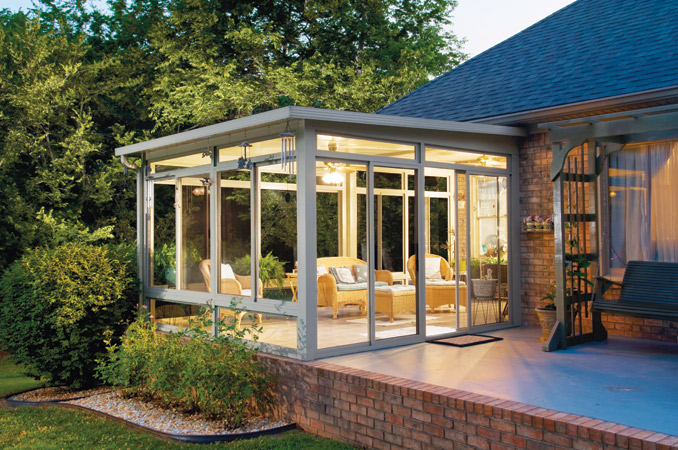
A studio sunroom has a single sloped roof that tucks under the eave. It suits single-story homes and is often the most economical glass room.
Cathedral
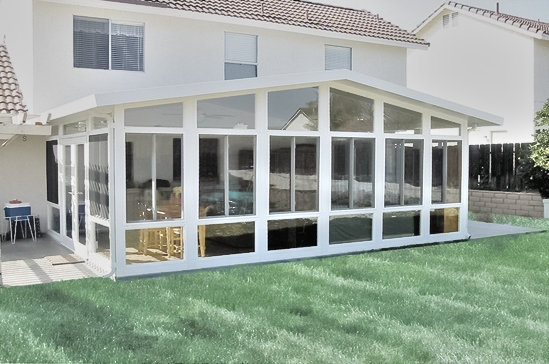
A cathedral sunroom rises to a peak with a gabled roof. It creates height and pairs well with two-story homes. The extra framing and glass add to the cost.
Solarium
A solarium has an all-glass roof for the most light and sky views. It usually sits at the upper end of the price range.
Conservatory-style
Conservatory designs add traditional, ornamental character for homes with classic architecture.
Patio room
A patio room has a fully insulated roof and is designed to feel like part of the house. It can often use an existing patio slab and can match the home’s exterior.
What glass and roof choices are available?
Glass
Options range from standard glass to Low-E and other energy-efficient glass. Upgraded glass costs more but helps control heat and glare, which matters on south- and west-facing rooms. Tinted options can help rooms used as offices or media spaces. You can read more on our energy efficiency and tests page.
Roof
Roofs can be solid and insulated, partly glass or all glass. Solid insulated roofs keep rooms cooler in hot inland areas; glass roofs bring in the most light. Many homeowners mix the two.
How do doors and windows change the design and cost?
Openings shape how the room connects to the house and the yard.
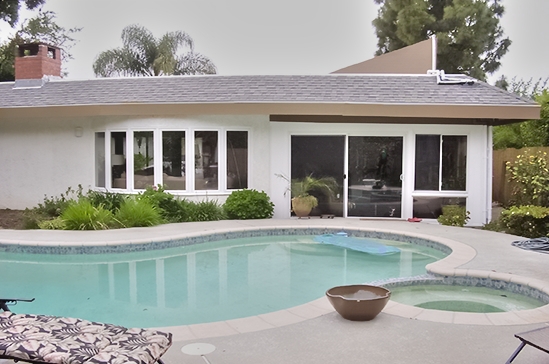
- Door styles. Sliding doors save space and are practical for patio and pool access. French doors add a more traditional look. The number of doors and their placement affect cost.
- Operable windows. Windows that open bring in the breeze and help control heat. More operable windows add hardware and cost but also add comfort.
- Screens. Screens on doors and windows let you enjoy fresh air without insects.
- Kick panels and knee walls. Solid lower panels add privacy, give furniture something to sit against and can reduce the amount of glass needed.
Can a sunroom match my home’s colors and style?
Yes. Frame colors, trim and roof details can be chosen to match or complement your home’s exterior, whether it is a stucco ranch, a Spanish-style home with a tile roof, a mid-century modern or a newer two-story tract home. A room that looks like it was built with the house tends to add more curb appeal and resale value than one that looks added on. Standard colors are usually the most economical; custom colors and decorative trim add to the price. Browse finished examples in our photo tour.
What comfort extras can you add?
Extras make the room more livable and each adds to the total:
- Ceiling fans to keep air moving.
- Lighting for evening use.
- Electrical outlets for lamps, devices or a portable heater.
- Shades or blinds for privacy and glare control.
A good strategy is to include the extras that shape daily use now, such as lighting and a fan, and add others later.
How do you customize without overspending?
Customization is where budgets can drift, so it helps to prioritize.
Start with purpose
Decide how you will use the room first: office, dining, family room, guest room, plant room or poolside lounge. Let that guide your choices.
Put money where it counts
In most Southern California homes, glass and roof choices matter most for comfort, followed by doors. Decorative details can often be simpler.
Keep the footprint simple
Rectangular layouts are more efficient than angled or wraparound designs.
Plan for phases
You can start with a patio cover or enclosure and upgrade later, as long as the original structure is planned with that in mind.
Use financing and specials
Special financing programs can help you get the options you want without cutting corners. Current specials include free factory room upgrades, 20% off materials and 15% off rooms, available for a limited time. See our financing page.
How do you see all the options for your home?
The best way to understand your options is to see them in person. Book a free, no-obligation in-home estimate, available seven days a week from 9am to 9pm across Orange, Riverside, Los Angeles and San Diego counties and the surrounding areas. The visit usually takes 15 to 40 minutes, and you will receive estimates, brochures and design layouts that show how each choice looks and what it costs. Ask every question. Installation by preferred contractors takes days, not weeks, and every room carries a transferable lifetime factory warranty. Schedule your estimate today.