
A solarium is the most open sunroom you can add to a home. With glass on the walls and glass overhead, it frames the sky, the trees and, in many Southern California neighborhoods, a view of the hills or the ocean. It is also the style that raises the most questions about cost and comfort. This guide explains what a solarium is, how it compares with other sunroom styles, what shapes its price, and how to decide whether it is the right investment for your home.
What makes a solarium different from other sunrooms?
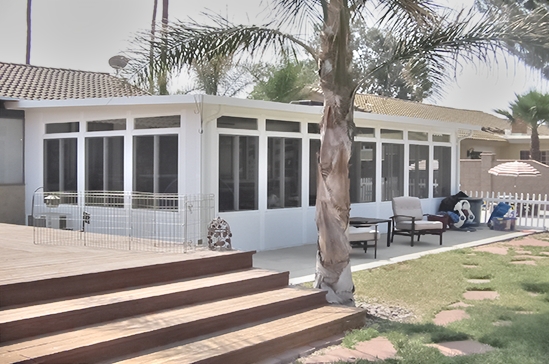
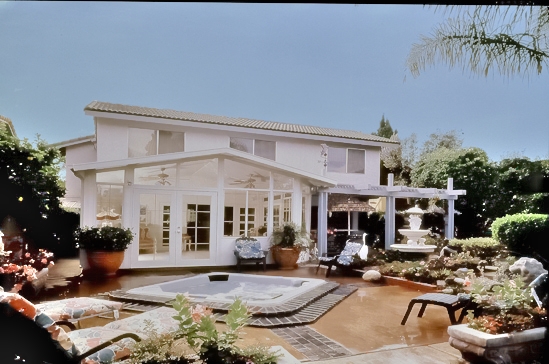
Most sunrooms combine glass walls with a solid or partially solid roof. A solarium replaces the roof with glass, so light enters from above as well as from the sides. The result feels less like a room and more like sitting outdoors, with protection from wind, dust, insects and the occasional rain shower.
Solarium versus studio sunroom
A studio sunroom has a single sloped roof that tucks under the eave of the house. It is simple, versatile and often the most economical glass room. A solarium can use a similar profile but with a glass roof, which adds light and adds cost.
Solarium versus cathedral sunroom
A cathedral sunroom has a gabled roof that rises to a peak. It creates height and drama, especially on two-story homes. A solarium emphasizes views overhead rather than height, and the two can sometimes be combined with glass sections in a cathedral design.
Solarium versus conservatory-style room
Conservatory-style rooms borrow ornamental details from traditional garden rooms. They may include glass roofs as well, but the emphasis is on architectural style. A solarium is usually cleaner and more contemporary.
Where does a solarium make the most sense?
A solarium shines in a few situations:
- Homes with a view. If you look out on hills, open space, a golf course or the ocean, an all-glass roof keeps the view in sight from every seat.
- Garden lovers. Plants thrive in the abundant light, making a solarium a natural year-round growing space.
- Stargazers and evening hosts. A glass roof puts the night sky on display.
- Shaded lots. Where mature trees block some of the sun, overhead glass captures light a solid roof would miss.
On the other hand, a solarium on a fully exposed, west-facing wall in a hot inland valley needs careful glass selection so the room stays comfortable in the afternoon.
How does a solarium affect the price of a sunroom?
A solarium usually sits at the upper end of the sunroom range because it uses more glass than any other style. Several factors shape the final number:
Size and shape
The overall footprint and the roof area determine how much glass and framing the room needs. A modest solarium off a family room is a very different project from a large room spanning the back of the house.
Glass selection
Glass is the heart of a solarium, and it is where the biggest cost and comfort decisions happen. Low-E glass reflects a portion of the sun’s heat while still admitting daylight. Other energy-efficient glass options help moderate temperature swings between cool mornings and warm afternoons. Upgraded roof glass costs more but makes a real difference in how many hours of the day the room is pleasant. Read more on our energy efficiency page.
Doors, windows and ventilation
Operable windows and doors let heat escape and bring in breezes. Ceiling fans and shades add comfort. Each adds to the price, but ventilation is especially valuable in a room with a glass roof.
Foundation and site
An existing, level patio slab can simplify the project. New foundations, sloped yards or difficult access add to the scope.
Finish and style details
Frame color, trim and hardware choices allow the solarium to blend with the home. Rooms are manufactured in California in hundreds of combinations; you can explore them on our customization page.
Is a solarium a good investment?
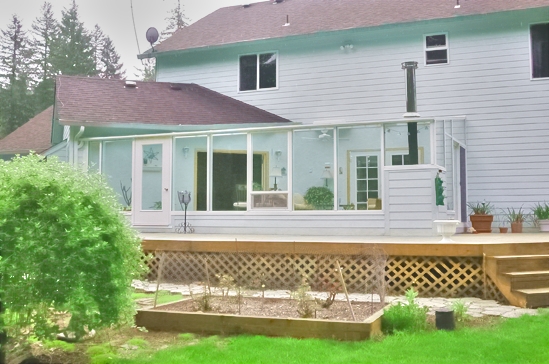
Value depends on how much you will use the room and how well it fits the house. A solarium that is comfortable year round becomes the favorite room in the home: a breakfast spot, a reading room, a place for plants and conversation. Buyers often respond to that kind of light-filled space. A few things protect the investment:
- Choose glass suited to your orientation and climate so the room is usable in every season.
- Plan ventilation from the start rather than adding it later.
- Match frame colors and proportions to the home’s architecture.
- Keep records of the design and any permits that may have been required.
Every room is backed by a transferable lifetime factory warranty, which can pass to the next owner if you sell.
Do you need a permit or HOA approval for a solarium?
A solarium is a room addition, so a building permit may be required, and homes in communities with associations may need HOA approval before installation. Requirements vary by city and neighborhood. During your estimate you can ask what may apply, and the design layouts you receive can help with submissions.
How long does it take to add a solarium?
Once the design is approved and any required approvals are in place, installation is completed by preferred contractors and typically takes days, not weeks. Because rooms are manufactured in California, lead times stay practical, and you get to enjoy the new space sooner.
How do you get an accurate solarium price?
Start with a free, no-obligation in-home estimate, available seven days a week from 9am to 9pm throughout Orange, Riverside, Los Angeles and San Diego counties and the surrounding areas. The visit usually takes 15 to 40 minutes. The estimator measures your space, shows glass and frame options, and leaves you with estimates, brochures and design layouts. Ask every question, from roof glass to shading.
Special financing programs can spread the cost over time, and current specials include 20% off materials, 15% off rooms and free factory room upgrades for a limited time. Learn more about financing, compare other styles on our sunroom additions page, or schedule your free estimate.